 Breathe
Lungs that are listened to,
not just scanned.
For the chronic cough dismissed as anxiety. The breathlessness attributed to age. The parent who needs more than a pamphlet. This is where the conversation begins.
Tell us how you're breathing.
Three plain questions. No medical jargon. A clearer sense of next steps — and the next available appointment slot.
Step 1 of 3 — Not a diagnosis, just a starting point.
How long have you been experiencing symptoms?
Slide to select the closest timeframe.
"I thought I just needed to lose weight. Turns out my lungs were operating at 60%."R.M., 52 · COPD
What we
specialise in.
From common to complex — every respiratory condition deserves a thorough evaluation, not a rushed appointment.
Chronic Obstructive Pulmonary Disease
Progressive airflow limitation that makes breathing harder over time. Often underdiagnosed until symptoms are severe.
Asthma & Allergic Airways
Inflammatory condition causing recurrent wheezing, breathlessness, and coughing — especially in children and young adults.
Post-COVID Respiratory Syndrome
Persistent breathlessness, fatigue, and reduced lung capacity following COVID-19 infection, requiring careful rehabilitation.
Occupational Lung Disease
Lung damage from workplace exposure to dust, chemicals, or fumes. Common in welders, miners, and construction workers.
Sleep-Disordered Breathing
Repeated breathing interruptions during sleep that fragment rest and strain the cardiovascular system.
Interstitial Lung Disease
A group of conditions causing progressive scarring of lung tissue, reducing the lungs' ability to transfer oxygen.
Spirometry & Pulmonary Function Testing
We use in-office spirometry to measure how much air you can breathe in and out, and how quickly. The test takes 15 minutes and gives us objective data that imaging alone cannot — the difference between 60% lung capacity and 95% is audible through a stethoscope, measurable through a spirometer.
"Nobody had ever explained what a spirometry test actually measures. He drew a diagram on a notepad."D.K., 67 · Pulmonary Fibrosis
A visit that
respects your time
and your lungs.
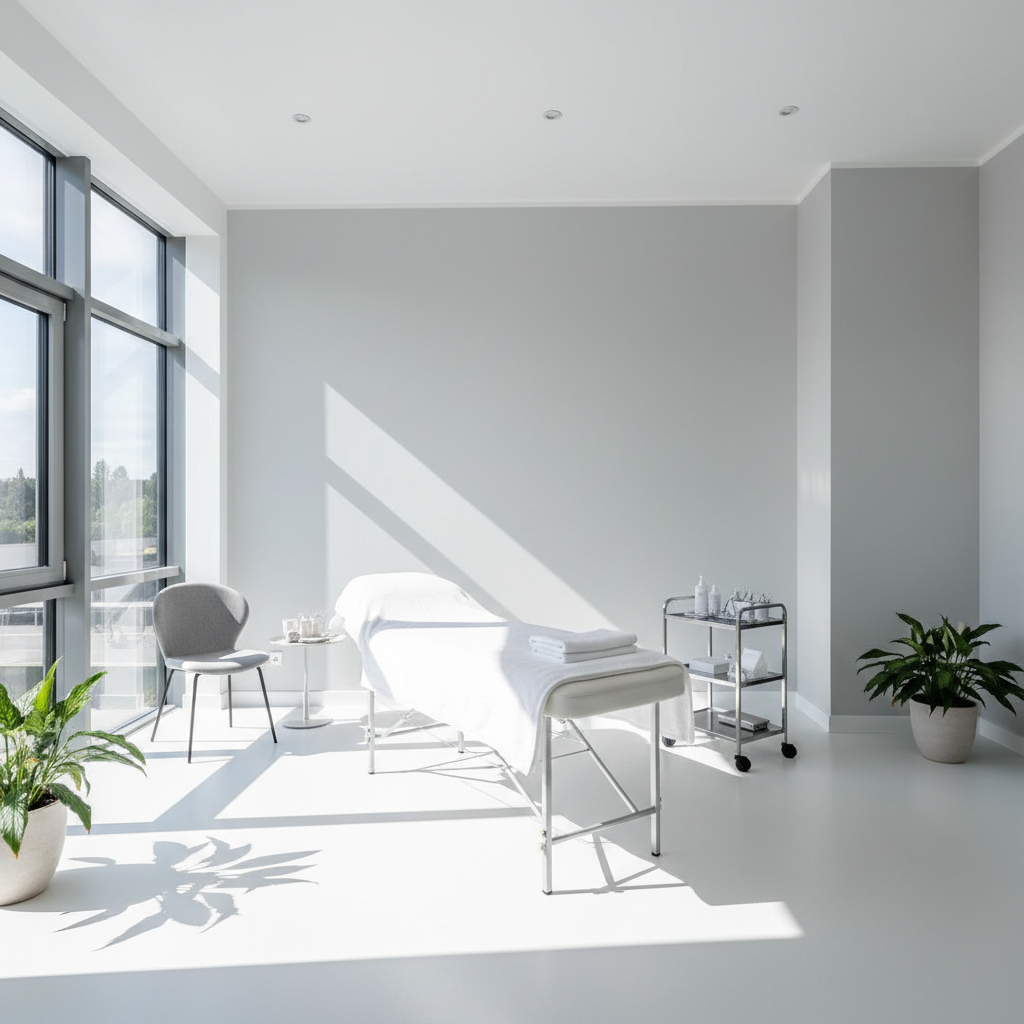
Longer than a standard GP appointment by design. Respiratory conditions rarely reveal themselves in 10 minutes.
Before You Arrive
Complete your Breathing Journal entries for the past week. Avoid bronchodilators 4 hours before if possible. Wear loose, comfortable clothing.
The First 15 Minutes
A nurse takes your oxygen saturation, respiratory rate, and a brief symptom history. No rush. No clipboard left alone in a corner.
The Consultation
A full respiratory history. Stethoscope. Discussion of your symptom patterns, triggers, and what hasn't worked before. Questions are expected and welcomed.
Pulmonary Function Tests
Spirometry and sometimes a 6-minute walk test or DLCO measurement. Results are explained the same day — not sent to a patient portal two weeks later.
Your Care Plan
A written summary of findings, a clear treatment or monitoring plan, and a follow-up schedule. If imaging or labs are needed, they're ordered before you leave.
"I spent two years being told it was stress. After one visit, I had a diagnosis, a plan, and my first full night's sleep in months."A.T., 38 · Vocal Cord Dysfunction
Every breath
has a story.
Young, elderly, post-COVID, occupational, pediatric — the waiting room is full of people who were told their symptoms were something else.
The morning cough had been building for years. I'd attributed it to decades in the shop. My first spirometry showed FEV1 at 58%. We started a rehabilitation plan immediately. Six months later I'm at 71% and still climbing.
My daughter's asthma had been 'managed' for two years — meaning she just used her inhaler more. We finally got a proper trigger assessment. Mold in her bedroom. Problem solved in three weeks.
Eighteen months post-COVID and I couldn't walk a flight of stairs without stopping. Nobody seemed to take it seriously. Here they did. Structured pulmonary rehabilitation, six months. I ran a 5K last month.
I'd been waking up exhausted for years. My GP said it was age. The overnight study showed 47 apnea events per hour. CPAP therapy changed my life within a week.
Three ER visits for what felt like asthma attacks during training. Turns out it was VCD — a completely different mechanism. The right diagnosis meant the right treatment. I'm back in the water.
I knew something was wrong with my lungs before any scan confirmed it. I could feel the quality of my breaths changing. This was the first doctor who listened to that description without dismissing it.
I assumed the coughing was just part of the job. After a proper occupational exposure assessment, we identified the specific trigger — a sealant product. Removing it from my work protocol resolved symptoms in two weeks.
Every time I asked why my son needed more medication, I got a pamphlet. Here, we spent 40 minutes mapping his triggers. School, pollen, cold air. Now we manage all three instead of just reacting.
"I came in with four weeks of notes. He said it was the most useful first appointment he'd had all month."F.O., 55 · Chronic Cough
The Breathing
Journal.
A four-week symptom tracker designed for your first consultation. Record morning peak flow, daily triggers, sleep quality, and medication use. It turns vague impressions into clinical data — and makes your first appointment three times more productive.
Understanding your lungs.
Before your first appointment.
The first breath
of something better.
New patient appointments are 60–75 minutes. You'll leave with a diagnosis or a clear plan — not a referral to come back in three months.